Moving to Pensacola from Out of State: What You Should Know Before You Buy
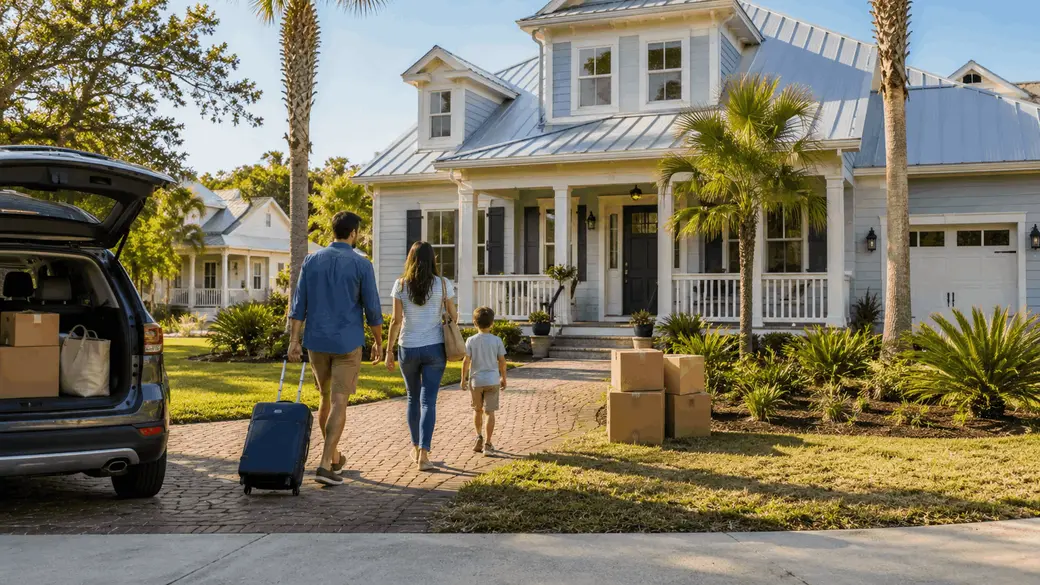
A significant share of home buyers in the Pensacola area each year are coming from somewhere else — often from higher-cost states in the Northeast, Midwest, or the larger metros of Florida. The appeal is straightforward: lower cost of living, Gulf Coast access, no state income tax, and a more relaxed quality of life than you get in most major cities.
But buying a home in a market you don't know from the ground up takes some extra groundwork. There are things about the Pensacola area that aren't obvious from a listing photo or a couple of weekend visits. This post covers the most important things relocation buyers should understand before they commit.
The Area Is Larger and More Varied Than It Looks
"Pensacola" is often used as shorthand for the entire metro, but the actual geography is quite varied. The places people buy — and the experiences they have living there — are meaningfully different depending on which part of the area you're in.
A quick breakdown of the major submarkets:
- Pensacola proper is the urban core. It has a real downtown, a walkable historic district (North Hill), Pensacola Beach access via the bridge, and the widest range of home styles and price points. It also has NAS Pensacola on its western edge.
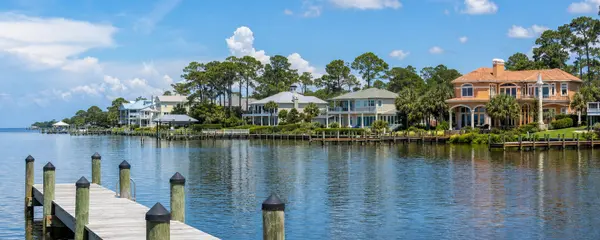
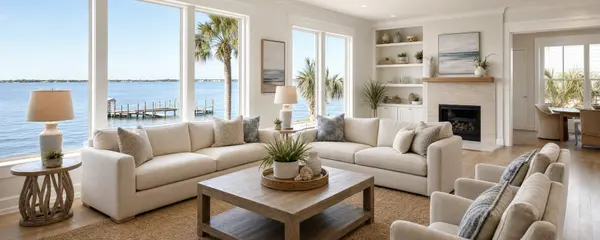
- Gulf Breeze is across the bay from Pensacola, a quieter, more suburban community with top-rated Santa Rosa County schools, water views, and close access to Pensacola Beach. It tends to command a price premium.
- Pace and Cantonment are northern suburbs with more land, newer construction, and lower price points. Pace is in Santa Rosa County; Cantonment is in Escambia. Both attract families and buyers seeking more space.
- Perdido Key and Perdido Beach are the southwestern edge of the market, offering Gulf-front and Gulf-view properties — higher price points, short-term rental potential, and a vacation community feel.
Before you narrow your search, be honest about what your daily life will look like. Where will you work or work from? Do you have school-age children? How important is it to walk to restaurants and culture versus having a quiet suburban yard?
(Internal link idea: link "Pace and Cantonment" to the Pace vs. Cantonment lifestyle comparison post.)
Florida Property Insurance: Start Here Early
This is the thing that catches the most out-of-state buyers off guard. Florida property insurance — particularly in coastal or near-coastal markets — has changed significantly over the past several years. Some national carriers have exited the Florida market, premiums have increased substantially, and the process of getting coverage can require more lead time than buyers expect.
What you need to know before you buy in the Pensacola area:
- Get insurance quotes before you go under contract, not after. In some cases, the monthly insurance cost will affect how much home you can afford in a meaningful way.
- Flood insurance is separate from homeowner's insurance. Depending on the flood zone designation of the property, flood insurance may be required by your lender and can add meaningfully to carrying costs. Properties in Perdido Key and along the waterfront in Gulf Breeze are more likely to be in high-risk flood zones.
- Older homes may face higher insurance costs due to roof age and construction standards. Many insurers require a 4-point inspection on older properties before issuing a quote.
- Citizens Insurance (Florida's state insurer of last resort) has become more common in the Panhandle market, but it has its own limitations. A local insurance agent who works in the Pensacola market specifically can give you the most accurate picture.
The Pensacola MLS and What Inventory Looks Like
Out-of-state buyers often search on national real estate portals and assume they're seeing the full picture. The full picture requires access to the local Pensacola MLS, where listings appear first and with more complete data.
Working with a local buyer's agent who is actively in the MLS gives you a real advantage — you see new listings faster, you get honest assessments of specific neighborhoods, and you have someone who can do a showing on your behalf or on a tight travel schedule.
If you're planning a trip to Pensacola to tour homes, coordinate it carefully. In an active market, homes you're interested in now may not be available three weeks from now. Having an agent prepared to move quickly with you — or even preview properties before your visit — is worth it.
What the Gulf Coast Climate Means for Homes
The Gulf Coast climate is genuinely beautiful, but it does things to houses that buyers from dry or northern climates don't always anticipate.
Things to factor in:
- Humidity and moisture intrusion are ongoing maintenance concerns, particularly in older homes. Look for signs of past or ongoing water intrusion during your inspection.
- Hurricane wind mitigation affects both insurance rates and structural safety. A wind mitigation inspection — standard in Florida — will tell you what credits (if any) the home qualifies for and what potential vulnerabilities exist.
- Roof condition is closely scrutinized by insurers. A roof with more than 15-20 years of age may be difficult or expensive to insure regardless of apparent condition.
- Salt air affects anything metal near the coast. In Perdido and Gulf Breeze waterfront properties especially, HVAC systems, gutters, fasteners, and appliances can show accelerated wear.
A good home inspector with Gulf Coast experience will flag these things, but it helps to go in knowing what to ask about.
The Lifestyle Is Real, But So Are the Trade-offs
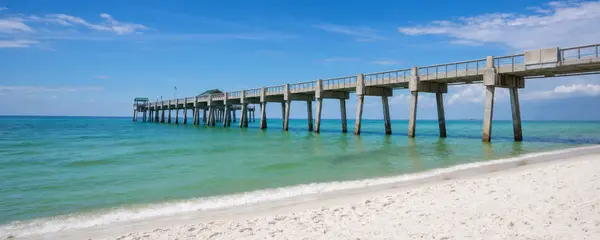
People who move to Pensacola from out of state often love it — the beaches at Perdido Key and Pensacola Beach are genuinely beautiful, the cost of living is favorable relative to most major metros, and the outdoor lifestyle is accessible in a way that larger cities rarely match.
The trade-offs worth knowing:
- Traffic patterns differ from larger metros. There are no major interstates directly into Pensacola Beach or Gulf Breeze, so bridge access is the chokepoint on weekends and in summer.
- Summer heat and humidity are real from late May through September.
- Healthcare and specialty services are improving but are not as extensive as major metros. Some specialties still require travel to Tampa or Atlanta.
The Gulfside Property Group Facebook page is a good place to follow local listings and see what the area looks like through the lens of homes that are actually on the market — useful context if you're doing your research from afar.
Give Yourself More Research Time Than You Think You Need
The biggest mistake out-of-state buyers make is compressing the research phase too aggressively. An extra week of research, one more trip to tour specific neighborhoods, or a few weeks renting before you commit can save you from buying in the wrong submarket for your actual life.
The Pensacola area rewards buyers who take the time to understand it. When you find the right home in the right location with a realistic picture of the carrying costs, it's a decision that holds up well.
Categories
Recent Posts

Real Estate Marketing Specialist | REALTOR® License ID: SL3641928
+1(850) 990-2012 | derek@gulfsideholdings.com