
Selling and Buying at the Same Time in the Pensacola Area: How to Handle Both Without Losing Your Mind

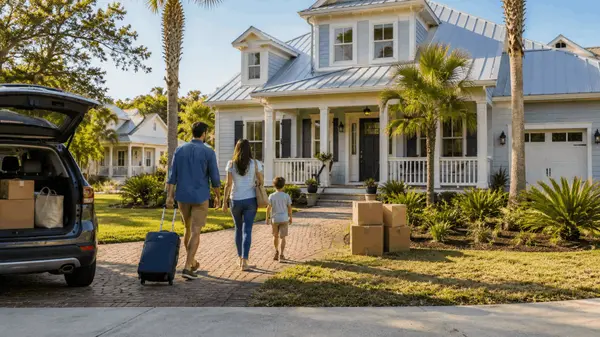
Selling your current home and buying your next one at the same time is one of the more logistically complicated things you can do in real estate. A lot of people in the Pensacola area are in exactly this situation — they've built equity in a home they bought several years ago and they're ready to move, whether that means upsizing, downsizing, or moving from one part of the area to another.
The challenge is that both sides of the transaction — the sale and the purchase — need to work together without leaving you homeless in between or financially overextended.
Here's a practical framework for thinking through the simultaneous buy-sell situation.
The Core Problem: Timing Two Independent Transactions
The fundamental difficulty with buying and selling at the same time is that the two deals are not actually connected unless you specifically structure them that way. Your sale has its own timeline — driven by the market, your buyer's financing, and the inspection and appraisal process. Your purchase has its own timeline, driven by the seller you're buying from and their situation.
Getting those two closings to land close enough together — ideally on the same day or within a few days of each other — is the goal. Doing it cleanly takes advance planning.
The two most common approaches:
- Sell first, then buy. You know exactly what you have to work with, you're not carrying two mortgages, but you may need temporary housing between the closing and your new home.
- Buy first, then sell. You avoid the housing gap but take on financial risk by carrying two mortgages if your current home doesn't sell immediately.
Which one works better depends on your financial position, your market, and your specific situation.
Option 1: Sell First
For most people, selling first is the lower-risk approach. You walk away from your closing knowing exactly what you netted, and you use those proceeds as your down payment on the next home.
The trade-off is the gap. If your sale closes before your purchase is ready, you'll need somewhere to live in between. Options include:
- Negotiating a rent-back agreement with your buyer. This is where you stay in the home for a period after closing — typically 30 to 60 days — and rent it from the buyer. It's common in the Pensacola area and gives you a runway to find and close on your next home.
- Renting temporarily. Month-to-month apartments or short-term rentals in the Pensacola area give you flexibility, though packing and moving twice is a real cost in time and stress.
If you go this route, get serious about your next home purchase before your current home closes, not after. Being actively pre-approved and searching before you close means you're ready to move quickly when the right home appears.
(Internal link idea: link "pre-approved" to your buyer resource page or IDX search page so readers can explore available listings while they plan.)
Option 2: Buy First
Buying first makes sense if you have the financial capacity to carry both properties for a period of time, or if you're purchasing with cash and can close quickly without depending on your sale proceeds.
A few things to know if you're considering this path:
- Most lenders will count your current mortgage against your debt-to-income ratio when qualifying you for the new purchase, unless you can show the sale is imminent (signed contract in hand). That affects how much you can borrow.
- Bridge loans exist for this scenario — they allow you to borrow against your current home's equity to fund the new down payment. Bridge loans come with costs and terms that vary by lender, so you'd want to talk through the specifics with a local mortgage professional.
- Market risk is real. If your current home takes longer to sell than expected, you're carrying two sets of costs. That's manageable for some buyers and stressful for others.
The Contingency Option
A third path is using a home sale contingency — making an offer on the new home that is contingent on the sale of your current one. This protects you from ending up with two mortgages, but it has a real downside: sellers in decent markets often don't want to accept contingent offers because it adds risk to their sale.
In the current Pensacola market, contingent offers are more accepted than they were during the height of the seller's market, but they're still weaker than non-contingent offers. If you go this route, expect to potentially lose out to a buyer who isn't contingent, and price your current home competitively to show the seller you're serious about closing it quickly.
Coordination Across the Pensacola Area
One practical advantage of working with a local agent who knows the Pensacola, Gulf Breeze, Pace, and Cantonment markets is the ability to coordinate timing on both sides of your transaction within a familiar area. The communication between your listing activity, your offer activity, and your lender is constant during this period — things move fast, and staying organized matters.
Keep all the key players — your listing agent, buyer's agent (if separate), lender, and title company — on the same page about your timeline. The more everyone knows about the constraints and goals, the smoother the coordination tends to be.
You can follow listings and local market conversations on the Gulfside Property Group Facebook page, which is a useful way to stay current on what's active in your target neighborhoods while your current home is on the market.
Key Questions to Clarify Before You Begin
Before you take any action, get clear on these:
- What are your finances? Can you carry two mortgages for 60-90 days if needed, or do you need a tight same-day close?
- How quickly does your current home need to sell? Is your timeline flexible or hard-deadline?
- What's your target area for the purchase? A move within Pensacola or a shift to Gulf Breeze or Pace affects how liquid the inventory is and how quickly you might go under contract.
- Have you been pre-approved for the new purchase? Get this done early — lenders will want to see your current mortgage situation and factor it in.
Buying and selling at the same time in the Pensacola area is genuinely manageable when you plan ahead and set realistic expectations. The biggest mistakes happen when sellers list without a plan for where they're going, or when buyers make an offer without knowing what their current home is actually worth in today's market. Getting both pieces of the picture before you move is what makes the difference.
Categories
Recent Posts




Real Estate Marketing Specialist | REALTOR® License ID: SL3641928
+1(850) 990-2012 | derek@gulfsideholdings.com