
How Pensacola Sellers Should Think About List Price
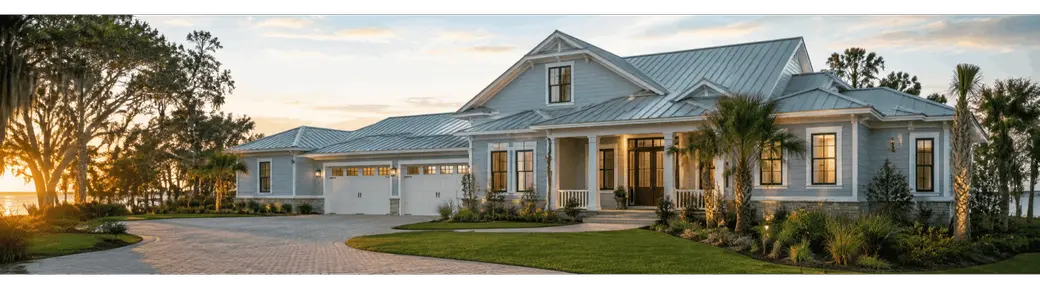
Setting the right list price is the single most important decision a seller makes. In a balanced market — where buyers have real choices and sellers no longer hold all the cards — pricing errors are harder to recover from than they were two or three years ago.
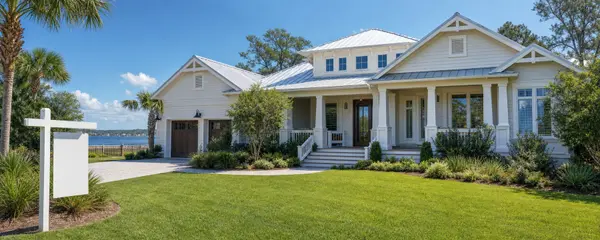
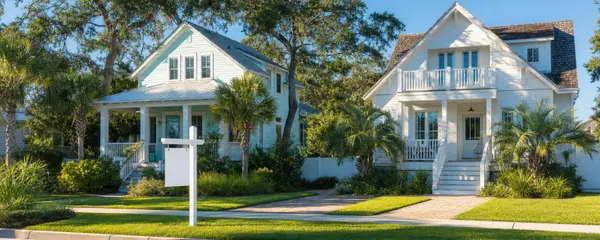
If you're getting ready to sell in Pensacola, Gulf Breeze, Pace, or Cantonment in 2026, here's a practical framework for thinking through your list price before you put a sign in the yard.
Why Pricing Matters More in a Balanced Market
During the pandemic run-up, a lot of sellers got away with pricing high and watching buyers compete anyway. That period is behind us. In 2026, buyers are patient, well-researched, and comparing every active listing on their phone before they schedule a single showing.
What this means for you:
- Overpriced homes sit. And when a home sits, buyers start wondering what's wrong with it, even if nothing is.
- Price reductions cost you twice. Once in the form of a lower final sale price, and again in the form of longer days on market, which weakens your negotiating position.
- Correctly priced homes still sell well. Buyers aren't gone — they're just pickier. A well-priced, well-presented home still attracts offers.
Start With Closed Sales, Not Active Listings
One of the most common pricing mistakes sellers make is looking at active listings — other homes currently for sale — and anchoring to those numbers. Active listings tell you what sellers are asking. Closed sales tell you what buyers are paying. Those are different numbers.
When your agent pulls comparable sales, focus on:
- Homes that closed within the last 90 days, ideally in the last 60. Older sales reflect a different market moment.
- Properties within a half-mile to one mile, or in the same neighborhood, subdivision, or school zone.
- Similar square footage, condition, and features. A Pace home with a pool and an updated kitchen compares to other Pace homes with similar upgrades — not to the base-model house across the street.
(Internal link idea: link "comparable sales" to your market update post for the current quarter.)
If you're in a more rural pocket of Cantonment or out near Perdido, comps may be spread over a wider area or older. In those cases, weighting condition and unique features becomes more important than trying to find a perfect square-footage match.
Understand Your Competition Right Now
After you've reviewed closed sales, look at what is actively for sale today in your area. If you're planning to list a 2,000 square foot home in Pace and there are already six similar homes competing for the same buyer pool, you need to be one of the two or three they actually want to see in person.
Ask yourself:
- How does my home's condition compare to the active competition?
- Am I priced to be in the top third in terms of value-per-dollar, or am I at the expensive end of the range?
- If a buyer looks at three homes in my price range this weekend, would mine make their short list?
If the honest answer is "probably not," that's useful information before you commit to a number.
The "Cost of Being Wrong" Math
Sellers sometimes treat a high initial list price as a negotiating cushion. The thinking is: "I'll price high and come down if needed." That logic doesn't hold up well in a market where buyers move on quickly.
Here's a rough way to think about the cost:
- A home priced $20,000 too high may sit for two to three extra months before a price reduction.
- During that time, you're covering mortgage payments, insurance, utilities, and taxes on a property that isn't generating the equity you expected.
- After the reduction, buyers who already passed on the home often don't circle back — the listing feels "damaged goods" to them.
Coming out close to market on day one, even if it feels aggressive, is almost always the better financial outcome than chasing the market down with reductions.
What "Balanced" Actually Means for Pensacola Sellers
Balanced doesn't mean bad. It means that both buyers and sellers have leverage at different points in the transaction, and the final price lands closer to market value than to either extreme.
In this environment:
- Well-priced homes in Pensacola, Gulf Breeze, and Pace still sell in a reasonable timeframe.
- Sellers with flexible timelines can be slightly more patient, but should still price within the market range — not above it.
- Sellers who need to move quickly should lean toward the sharper end of the comp range rather than testing the high side.
The key mindset shift: in a balanced market, your list price is not a starting point for negotiation. It's a signal to buyers about whether you understand the market.
How to Think About Appraisal Risk
If your buyer is financing — and most are — the bank will order an appraisal. If the appraised value comes in below the sale price, you'll either need to renegotiate down, the buyer will need to cover the gap in cash, or the deal falls apart.
This is another reason to price close to closed comps rather than hoping for a "soft" appraisal. Appraisers look at the same data you do.
You can also follow current conversations about local market conditions on the Gulfside Property Group Facebook page, where local housing trends come up regularly among buyers and sellers in the Pensacola area.
A Simple Pricing Checklist Before You List
Before you finalize your list price, run through these questions:
- Have you reviewed closed sales from the last 60-90 days in your area?
- Do you know how many active listings you're competing against today?
- Is your price within the range supported by the comps, or above it?
- Have you accounted for condition honestly — deferred maintenance, outdated finishes, or limited updates?
- If your home sat for 60 days and needed a reduction, are you comfortable with where you'd land?
Pricing a home in Pensacola's 2026 market isn't about leaving money on the table. It's about getting it right the first time, so you attract serious buyers early, avoid the stale-listing problem, and close on a timeline that works for you.
Categories
Recent Posts





Real Estate Marketing Specialist | REALTOR® License ID: SL3641928
+1(850) 990-2012 | derek@gulfsideholdings.com